
TOPS Surgical Specialty Hospital
If you click the 'Continue' button, you will be leaving this website. To stay here, click the 'Cancel' button.
Understanding Growth Plate Injuries in Young Athletes
Understanding Growth Plate Injuries in Young Athletes
Mon Feb 16 2026
During adolescence, bones grow rapidly as the body transitions from childhood to adulthood. Growth plates—areas of cartilage located near the ends of long bones—play a critical role in this development. However, these structures are also more vulnerable to injury during periods of physical activity. Understanding growth plate injuries helps parents, coaches, and athletes recognize when symptoms may require professional evaluation.
Because growth plates are softer than fully developed bones, they can be affected by sudden trauma or repetitive stress from sports participation. Early recognition of symptoms can help support proper healing and healthy bone development.
How Growth Plates Function During Adolescence
Growth plates allow bones to lengthen as children and adolescents grow. These areas gradually harden into bone once physical maturity is reached. During the middle and high school years, growth plates remain open and continue to develop.
This stage of growth means that injuries affecting these areas may occur more easily during sports. Activities involving jumping, running, or sudden directional changes can place stress on developing joints and bones. When growth plates are affected, physicians may recommend evaluation to determine the extent of the injury.
Common Causes of Growth Plate Injuries
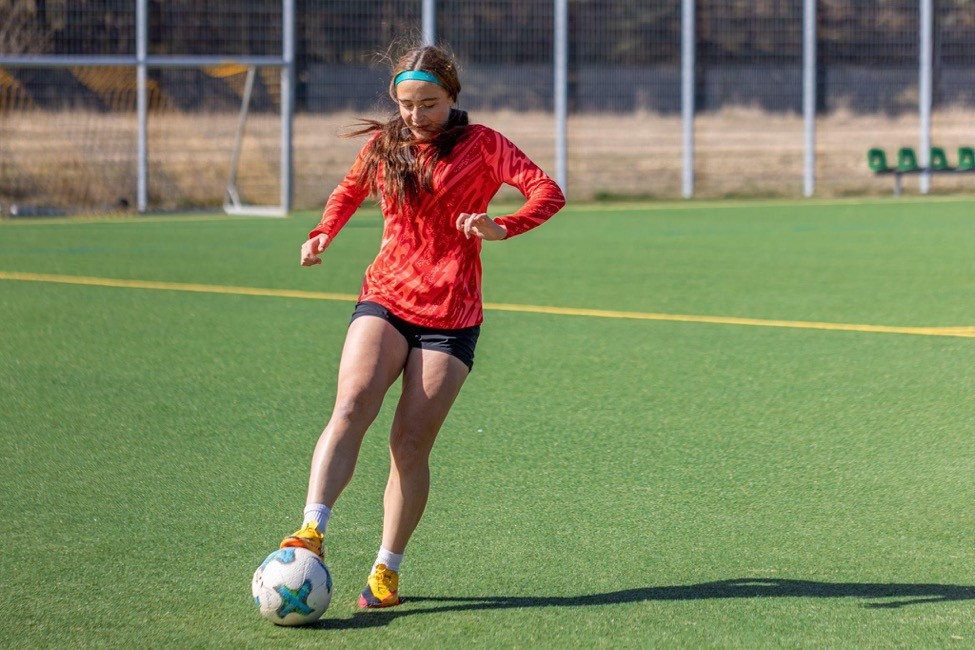
Growth plate injuries can occur from both acute trauma and repetitive stress. Falls, collisions, or sudden impacts during sports may lead to fractures involving the growth plate. Repetitive motion, such as frequent jumping or throwing, may also contribute to stress-related injuries.
Athletes who participate in sports year-round or train intensely without sufficient recovery time may face a higher risk of these injuries. Monitoring training intensity and allowing adequate rest can play an important role in injury prevention.
Warning Signs Parents and Coaches Should Watch For
Symptoms of growth plate injuries may include persistent pain near a joint, swelling, tenderness, or reduced range of motion. Athletes may also experience discomfort that worsens during activity or difficulty continuing normal training.
Because these symptoms can resemble other sports injuries, evaluation by a physician may help determine whether a growth plate is involved. Early assessment may help guide treatment decisions and reduce the risk of long-term complications.
Supporting Healthy Development for Young Athletes
Protecting developing joints and bones is an important part of adolescent athletic participation. Balanced training programs, proper technique, and adequate recovery time can help reduce the risk of injury. Athletes should also be encouraged to report persistent pain rather than continue to train through discomfort.
Doctors providing orthopedic care at TOPS Surgical Specialty Hospital evaluate growth plate injuries with the goal of supporting safe recovery and healthy musculoskeletal development.
Young athletes experiencing symptoms related to growth plate injuries may benefit from orthopedic evaluation. Learn more about orthopedic care for sports-related injuries by visiting our orthopedic sports injury services page. Then scroll down to find the right orthopedic physician near you.