
TOPS Surgical Specialty Hospital
If you click the 'Continue' button, you will be leaving this website. To stay here, click the 'Cancel' button.
When Knee Pain in Teens May Signal a Larger Issue
When Knee Pain in Teens May Signal a Larger Issue
Mon Feb 23 2026
Knee pain is one of the most common complaints among young athletes participating in school sports. While occasional soreness may occur after physical activity, persistent knee pain in teens may sometimes indicate an underlying orthopedic condition. Understanding the difference between temporary discomfort and symptoms that require evaluation can help parents and athletes respond appropriately.
During adolescence, rapid growth and increased athletic activity place significant stress on joints and surrounding tissues. This combination can contribute to knee injuries or overuse conditions that develop gradually over time.
Common Causes of Knee Pain in Teen Athletes
Several orthopedic conditions may contribute to knee pain in adolescent athletes. Overuse injuries, ligament strains, tendon irritation, and cartilage issues are frequently seen in sports that involve running, jumping, or sudden directional changes.
One common condition is Osgood-Schlatter disease, which affects the area just below the kneecap where the patellar tendon attaches to the shinbone. This condition often develops during periods of rapid growth and is particularly common in athletes involved in sports like basketball, soccer, and track.
Overuse Injuries and Repetitive Stress
Repetitive motion can place continuous strain on developing joints. When athletes participate in intense training schedules or play multiple sports without sufficient recovery time, the risk of overuse injuries may increase.
Symptoms may include ongoing knee pain, swelling, stiffness, or discomfort during activity. Athletes may also notice reduced performance or difficulty completing normal training routines.
When Persistent Knee Pain Should Be Evaluated
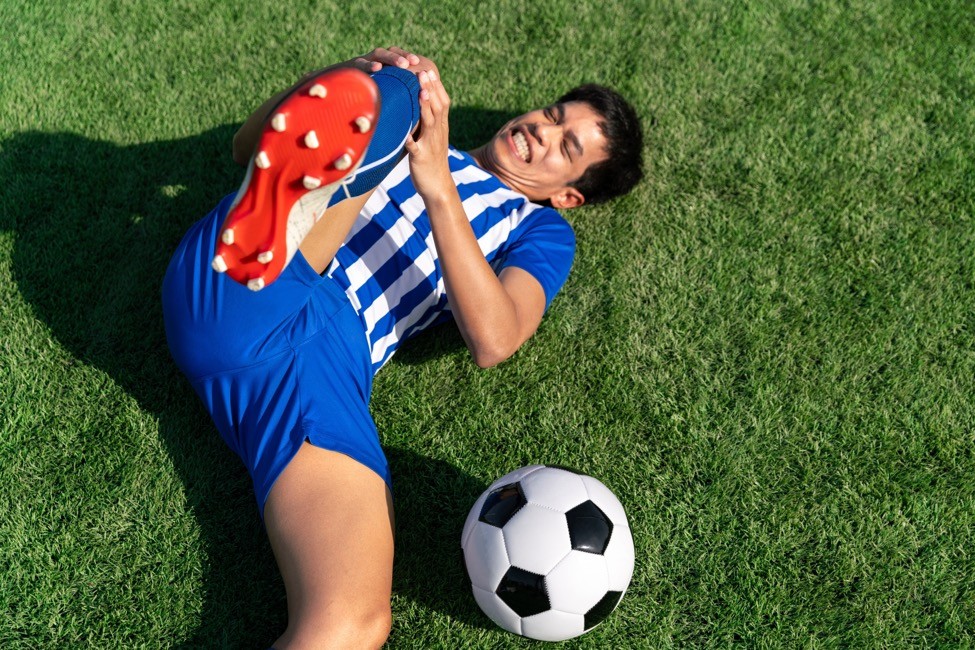
While minor soreness may resolve with rest, symptoms that persist or worsen should not be ignored. Warning signs may include swelling that does not improve, instability in the knee, limited range of motion, or pain that interferes with normal activity.
Early evaluation allows physicians to determine whether knee pain is related to overuse, ligament injury, or growth-related conditions. Prompt assessment may help guide appropriate treatment and recovery strategies.
Supporting Long-Term Joint Health in Teen Athletes
Preventing knee injuries involves balancing training, conditioning, and recovery. Proper warm-up exercises, strength training, and flexibility exercises can help support joint stability and reduce stress on developing knees. Adequate rest between training sessions also plays an important role in recovery.
Doctors providing orthopedic care at TOPS Surgical Specialty Hospital evaluate knee pain in teens with the goal of supporting safe athletic participation and long-term musculoskeletal health.
Teen athletes experiencing persistent knee pain or sports-related symptoms may benefit from an orthopedic evaluation. Learn more about orthopedic care for sports-related injuries by visiting our orthopedic sports injury services page. Then scroll down to find the right orthopedic physician near you.